Patterns of Secure Transaction Flows in Regional Mobile Table Game Platforms
Felix Braun · Oct 9, 2026
Patterns of Secure Transaction Flows in Regional Mobile Table Game Platforms
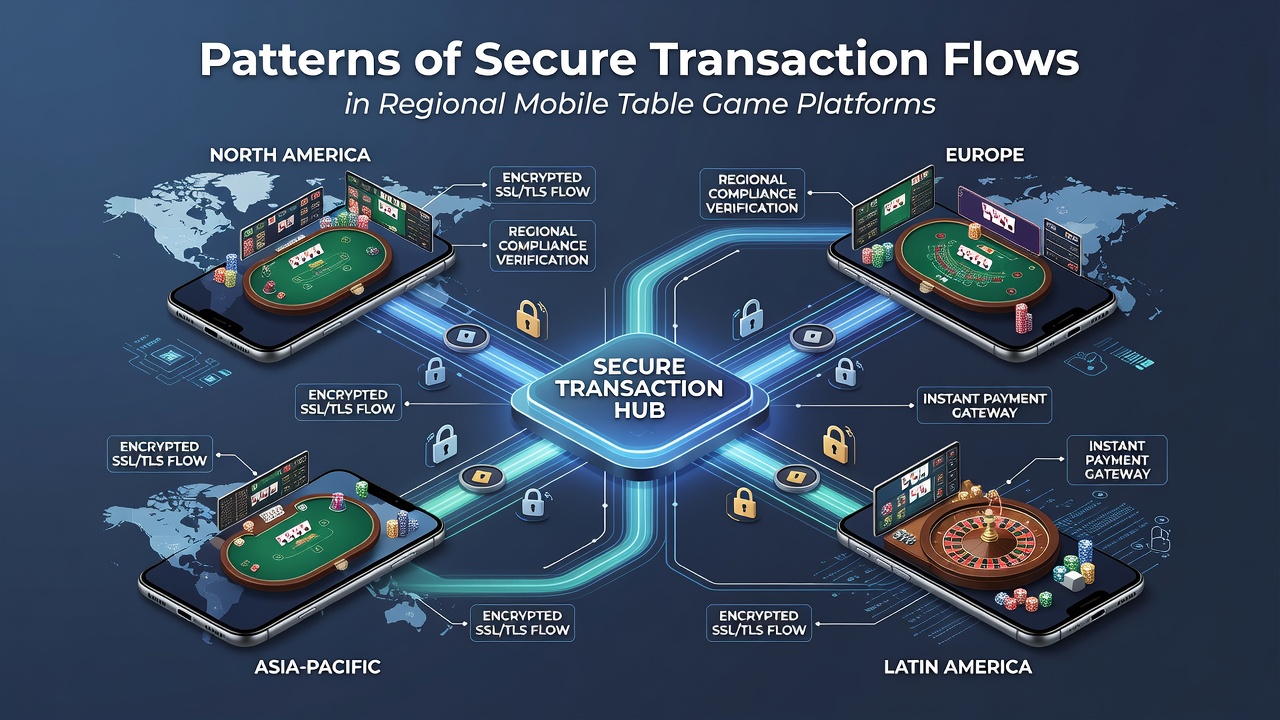
Regional mobile table game platforms handle player funds through structured sequences that begin with account verification and end with settlement confirmation, and these sequences incorporate encryption layers along with regional compliance checks that differ by jurisdiction. Data from industry reports show that platforms in Asia often route initial deposits through local mobile payment gateways before transferring balances to central servers while European systems frequently integrate with banking APIs that require real-time authorization codes.
Core Elements of Transaction Sequences
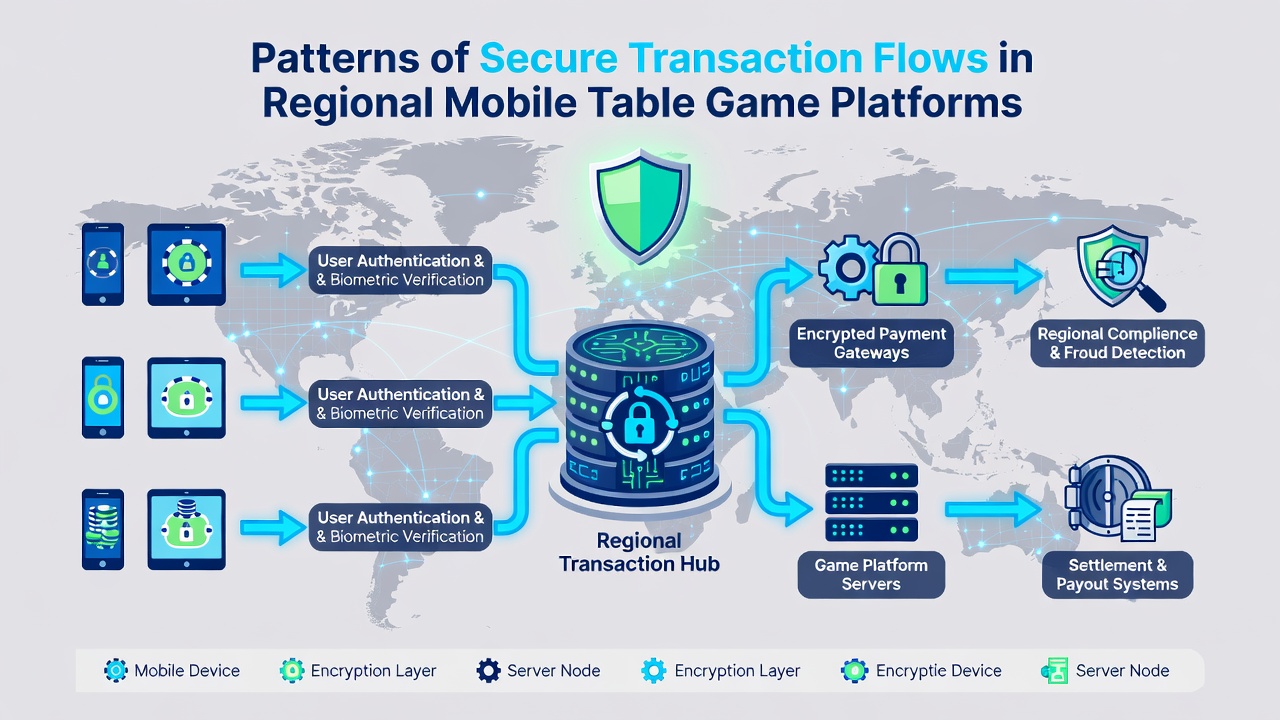
Transaction flows typically start when a user initiates a deposit via a mobile app interface that captures device identifiers and location data before forwarding the request to a payment processor. Researchers have documented how this step includes tokenization of card details or wallet credentials to prevent direct exposure of sensitive information during transmission. Once the processor validates the funds, the platform credits the player's balance and logs the event in a distributed ledger that multiple regional nodes can access for audit purposes.
Withdrawal patterns follow a reverse path where balance checks precede approval workflows that may involve additional identity confirmation in certain markets. Studies indicate that platforms serving North American users apply stricter multi-factor authentication during this phase compared to some Latin American systems that rely more heavily on biometric signals from the device itself. And yet the underlying data packets travel through similar encrypted channels regardless of geography.
Regional Variations in Flow Architecture
Platforms operating across Southeast Asia demonstrate a preference for hybrid models that combine digital wallets with traditional bank transfers, creating parallel pathways that users can select based on local infrastructure availability. Observers note that this flexibility allows faster settlement times during peak hours while maintaining compliance with varying data residency rules. In contrast, platforms focused on Oceania markets tend to consolidate flows through fewer gateways that enforce uniform reporting standards to government financial intelligence units.
North American regional operators often segment transaction streams by game type, routing table game activity through dedicated channels that separate them from slot machine traffic for regulatory tracking reasons. Figures from payment security analyses reveal higher volumes of micro-transactions in these segmented flows because players frequently adjust stakes between hands of blackjack or rounds of poker. Meanwhile, African and Middle Eastern platforms have adopted blockchain-based verification layers that record each transfer on immutable chains accessible to licensed auditors.
Security Protocols Embedded in Mobile Flows
Encryption standards applied during transmission include AES-256 for data at rest and TLS 1.3 for active sessions, and these protocols activate automatically once the app detects an active network connection. Those who have examined platform architectures report that session keys rotate at intervals tied to game rounds rather than fixed time windows, reducing exposure windows during extended play sessions. Additional fraud detection modules analyze velocity patterns, flagging sequences that deviate from established user behavior baselines before funds move.
Regional regulators in places like Nevada and Singapore have published technical guidelines that require platforms to maintain separate test environments for validating new transaction modules before deployment. These environments simulate live traffic loads to confirm that security controls function under stress without introducing latency that could affect gameplay. As of October 2026, several operators reported completing integration tests for updated key management systems that align with emerging post-quantum cryptography recommendations from academic research groups.
Data Patterns and Monitoring Practices
Analysis of aggregated transaction logs shows recurring peaks in deposit activity immediately before major regional tournaments, followed by withdrawal surges once events conclude. Platforms use machine learning classifiers to categorize these patterns and apply graduated verification thresholds that scale with risk scores calculated from device history and transaction size. Evidence from collaborative industry studies suggests that cross-regional data sharing agreements help identify coordinated attempts to exploit flow vulnerabilities across multiple platforms simultaneously.
Payment method diversification also influences flow patterns, with credit card sequences requiring address verification steps that digital wallet flows often bypass through pre-linked accounts. According to findings from the National Council on Problem Gambling research initiatives, platforms that map these method-specific sequences achieve more accurate detection of irregular activity while preserving transaction speed for verified users.
Conclusion
Secure transaction flows in regional mobile table game platforms continue to evolve through layered protocols, regional adaptations, and ongoing monitoring systems that balance speed with compliance requirements. Patterns observed across Asia, Europe, North America, and other markets demonstrate both shared technical foundations and localized adjustments that reflect infrastructure differences and regulatory priorities. Continued examination of these flows provides data that supports refinements in security measures and operational efficiency across the sector.