Currency Fluctuation Effects on Table Game Payout Calculations in Mexican Online Platforms
Frankie Weber · Oct 23, 2026
Currency Fluctuation Effects on Table Game Payout Calculations in Mexican Online Platforms
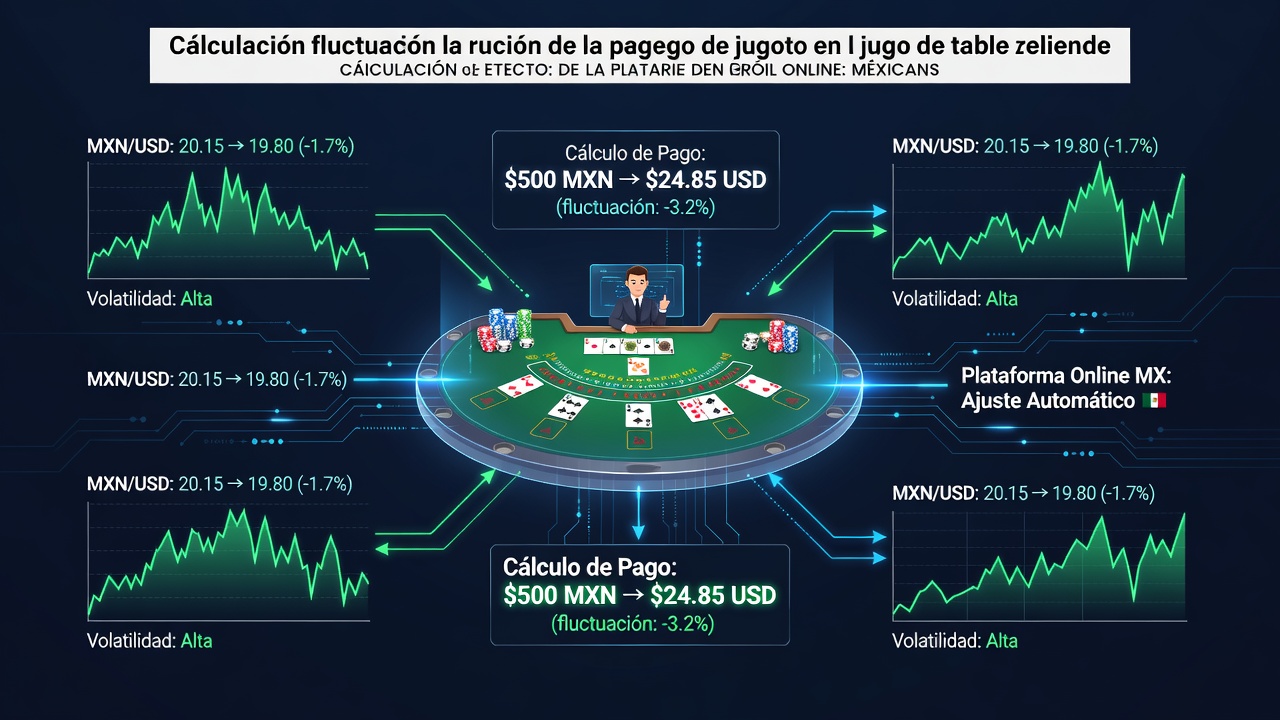
Table game operators on Mexican online platforms manage payout calculations that depend on real-time currency values, particularly when the Mexican peso interacts with major international currencies like the US dollar and euro. As of October 2026, data from Banco de México shows ongoing volatility in the MXN exchange rate, which directly influences how fixed odds translate into player credits during games such as blackjack, roulette, and baccarat. Platforms must recalculate winnings at the moment of settlement, and shifts in exchange rates alter the final amounts credited to accounts denominated in local currency.
Exchange Rate Dynamics in Mexico's Gaming Sector
Researchers tracking financial markets note that the peso experienced multiple swings against the dollar throughout 2026, driven by global trade shifts and domestic economic indicators. Operators convert payout figures from game currencies into MXN using spot rates or predetermined conversion windows, yet rapid changes require constant updates to avoid discrepancies. Studies from regional financial institutions indicate that even small daily fluctuations compound across high-volume table game sessions, affecting both player balances and operator liability calculations.
Many platforms integrate automated feeds from currency markets to adjust payout engines on the fly, while others apply fixed daily rates that reset at midnight Mexico time. This approach creates windows where rates drift, and observers have documented cases where a 2 percent move in the MXN-USD pair altered roulette payouts by noticeable margins for players holding dollar-based accounts. Those who monitor transaction logs find that such adjustments appear most frequently during peak evening hours when international players join Mexican servers.
Direct Impact on Table Game Payout Structures
Fixed odds in table games remain constant regardless of currency, but teh conversion step determines the actual credit value delivered to users. Blackjack payouts at 3-to-2, for instance, require multiplication by the current exchange rate before crediting an MXN wallet, which means a strengthening peso reduces the local-currency return while a weakening peso increases it. Data from platform audits reveal that operators running multi-currency environments must maintain separate ledgers for each denomination to prevent rounding errors during these conversions.
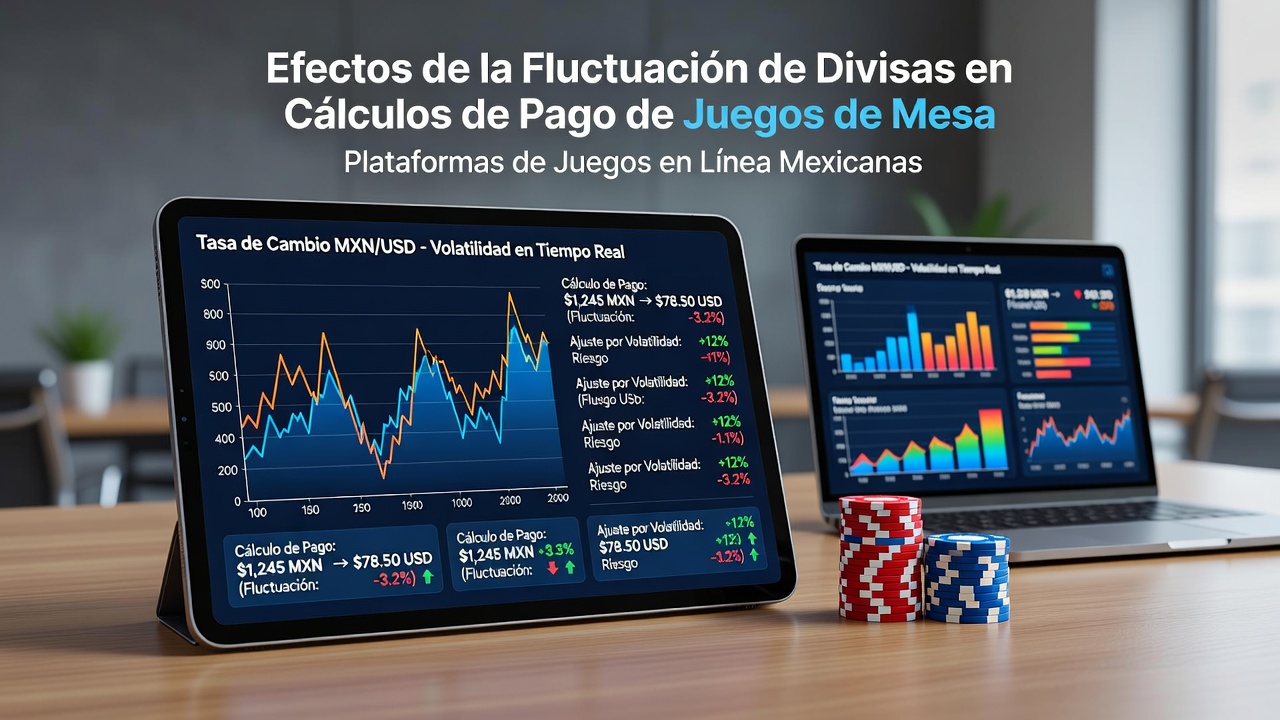
One operator handling cross-border traffic reported that euro-denominated baccarat tables required three separate conversion checks per hand when the peso moved more than 1.5 percent intraday. Regulators in Mexico have required clearer disclosure of these conversion mechanics since early 2026, prompting platforms to display live rates alongside payout previews. Industry reports from the Banco de México highlight that transparent rate presentation reduces player disputes, particularly when international cards fund accounts and winnings return in pesos.
Regulatory Framework and Compliance Measures
Mexican gaming authorities updated guidelines in mid-2026 to address currency handling in online environments, requiring operators to document conversion methodologies and retain records for at least 18 months. These rules apply specifically to table game sections where payout timing coincides with market hours, creating audit trails that track both game results and exchange rates at settlement. Compliance teams now run daily reconciliations that match internal ledgers against external currency feeds, and failure to align triggers mandatory reporting.
International comparisons show similar requirements emerging in other markets, yet Mexico's framework emphasizes real-time player notifications whenever rates shift beyond preset thresholds. Platforms that link to OECD gaming research have adopted volatility buffers that temporarily lock rates during extreme swings, protecting both sides from abrupt changes. Observers note that these buffers appear most often on roulette and craps tables, where rapid successive bets amplify the effects of any single conversion.
Technological Adaptations Across Platforms
Software providers serving Mexican operators have introduced modules that pull live exchange data directly into payout engines, reducing manual intervention. These systems flag potential discrepancies when rates move beyond historical averages recorded over the previous 30 trading days, and they automatically adjust displayed payout tables accordingly. Case examples from mid-sized platforms show that integration of such modules cut conversion-related support tickets by measurable amounts during volatile periods in September and October 2026.
Third-party testing labs verify that these modules preserve game fairness while handling currency math, and reports confirm that random number generators remain independent from exchange calculations. Operators who implemented layered verification steps report smoother audits, since every payout carries a timestamped rate reference that matches external market records.
Conclusion
Currency fluctuations continue to shape payout calculations for table games on Mexican online platforms through ongoing exchange rate movements and required conversion processes. Regulatory updates effective in 2026, combined with platform-level technology, have established clearer procedures for handling these variables while maintaining consistent game mechanics. Data from financial and industry sources demonstrate that accurate rate integration remains central to operational stability in this environment.